Post queue
AI Auto-Gen ...
AI Settings
⚠️ Stored in repo. Use GitHub Secrets for production.
published Excited to be experimenting with a fully free, self-hosted pipeline for scheduling LinkedIn posts — draft here, approve on a tiny dashboard, and it goes out automatically. Building in public one small tool at a time. #automation #buildinpublic Thu, Sep 17, 4:00 PM
Excited to be experimenting with a fully free, self-hosted pipeline for scheduling LinkedIn posts — draft here, approve on a tiny dashboard, and it goes out automatically. Building in public one small tool at a time. #automation #buildinpublic
posted as urn:li:share:7506385729967509504
published Why projects fail even when the baseline schedule appears on track. Wed, Sep 23, 11:40 AM
Why projects fail even when the baseline schedule appears on track.
On paper, every milestone shows green. Materials arrive on time, trades log their daily hours, and progress reports indicate zero schedule variance.
Yet the project is quietly collapsing behind the scenes.
This happens because standard schedule tracking measures activity, not quality or completion velocity. Trades may complete their scope on time, but if the preceding work contains hidden defects, subsequent handovers stall.
A plastering team finishing on schedule means nothing if the underlying brickwork moisture levels prevent paint adhesion. The delay simply shifts down the line, compounding cost and labor friction during finishing works.
To catch these hidden failures before they ruin your delivery date, implement mandatory quality-gate sign-offs before any trade transitions to the next area.
Do not mark a schedule activity complete until both site execution and quality criteria are fully met.
How does your team verify actual task completion before clearing trades to start the next phase?
#ConstructionManagement #ProjectManagement #SiteExecution #ConstructionQuality #ProjectControls
posted as urn:li:share:7508542229234491393
published  How to manage scope creep when the client is your senior stakeholder. Thu, Sep 24, 8:48 AM
 How to manage scope creep when the client is your senior stakeholder.
When an internal executive or high-level client requests extra work on site, saying a quick "no" is rarely an option.
Yet accepting unapproved design changes or additional finishing specs without a formal review quickly derail both schedule and budget.
This scenario creates friction because team members often execute informal requests immediately to impress senior leadership. As a result, material orders lag, subcontractors demand variation claims, and baseline costs balloon.
Instead of rejecting the request on the spot, log it as an official variation request. Present a clear impact analysis showing how the change will affect the delivery date, material procurement, and total budget.
Let the stakeholder make an informed decision based on cost and time trade-offs.
How do you manage informal scope requests from senior clients on your sites?
#ConstructionManagement #ScopeManagement #ProjectControls #SiteExecution #ClientManagement
posted as urn:li:share:7508835941831213056
published  Testing the new image attachment feature on the dashboard — this draft is just for trying out the Attach image button before it goes live. Thu, Sep 17, 5:00 PM
 Testing the new image attachment feature on the dashboard — this draft is just for trying out the Attach image button before it goes live.
posted as urn:li:share:7506406594528567296
published 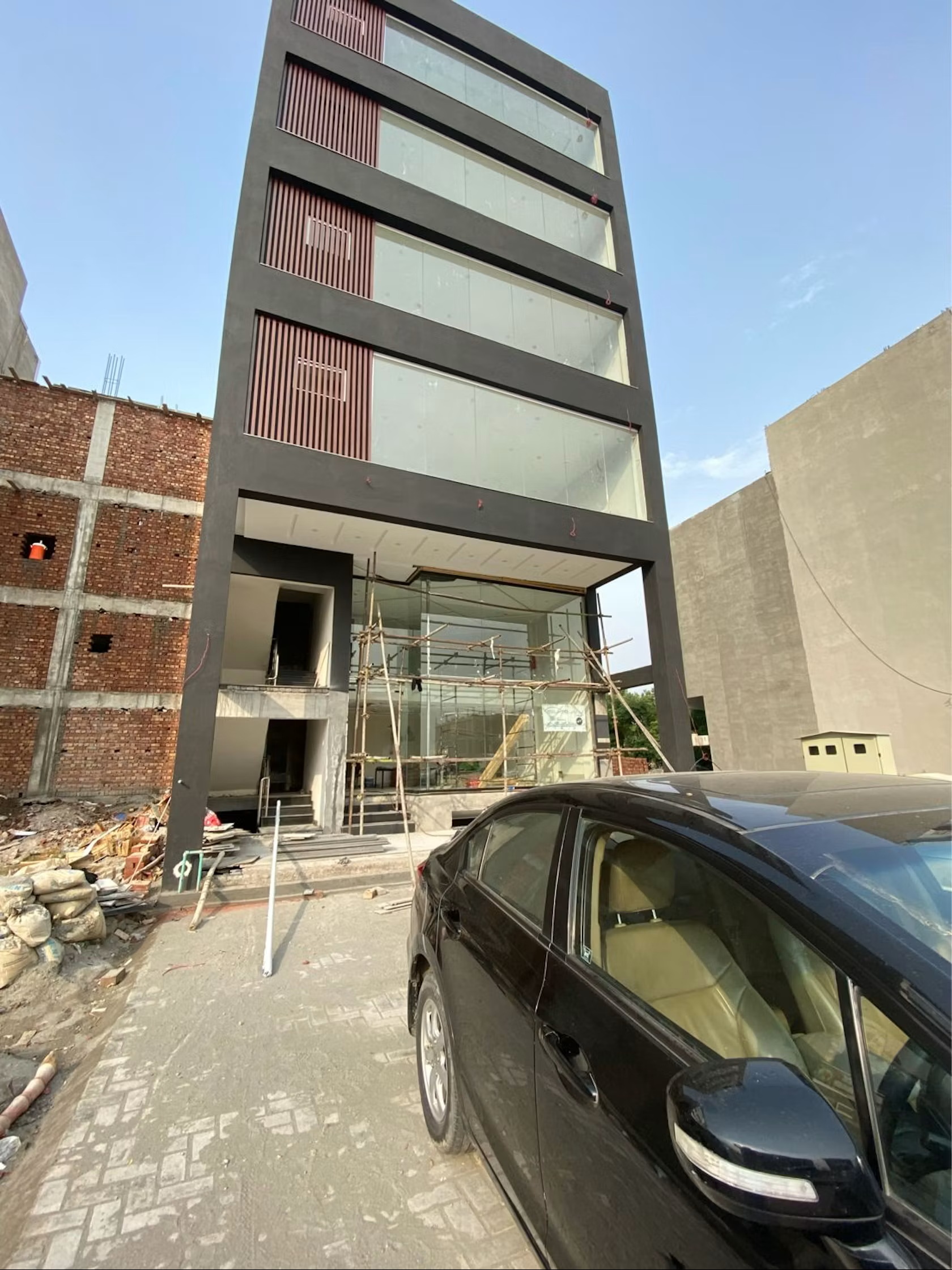 11 days lost on Phase 1 of a plaza project in Bahawalpur. Mon, Sep 28, 6:24 AM
 11 days lost on Phase 1 of a plaza project in Bahawalpur.
Zero lost on Phase 2 — same site.
Same client. Same contractor. Same TMA office we needed sign-offs from. The only thing that changed between the two phases was how information moved between the three of them.
Phase 1: I called people when something came up. The client heard about a drainage NOC issue from the contractor before I told him myself. TMA sat on our sign-off for 9 days because nobody had confirmed the survey with them in writing. Eleven days of scaffolding standing idle, wages paid regardless.
I thought the problem was permissions. It wasn't. It was that three parties were each working off a different version of the same week.
Phase 2, same project: one 15-minute Tuesday call with the client, one WhatsApp thread with the contractor for daily photos and blockers, and every TMA request went in writing with a response date attached. Nothing changed technically. The building didn't get easier to construct.
The schedule held because nobody was surprised anymore.
The rule I hold onto now: on a construction site, the drawings are rarely the bottleneck. The update nobody sent is.
Who do you loop in first when something on-site goes sideways — the client, or the authority?
#ConstructionManagement #ProjectManagement
posted as urn:li:share:7510243747985801216
published 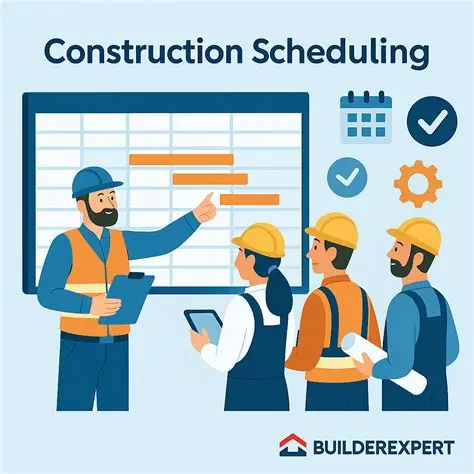 The difference between a delay and a disruption in baseline schedules. Thu, Oct 1, 5:54 AM
 The difference between a delay and a disruption in baseline schedules.
Most project teams treat delay and disruption as the same issue, but confusing them leads to mismanaged claims and lost revenue.
A delay directly pushes back your project completion date. A disruption interrupts your workflow, lowering trade productivity without necessarily extending the critical path.
When a delay occurs, contractors push for time extensions. When a disruption happens, labor hours rise sharply while physical output stays flat, quietly devouring project profit margins.
Treating a disruption like a simple schedule delay means missing the real financial impact until budget overruns occur during finishing works.
To protect project margins, track labor productivity rates alongside daily progress logs. Document loss of momentum immediately, even when the overall completion date appears unaffected.
How does your site team measure productivity losses caused by trade disruptions?
#ConstructionManagement #ProjectControls #ConstructionScheduling #ContractorManagement #CostControl
posted as urn:li:share:7511380219182899200
published  How to set realistic buffer times without inflating the project budget. Thu, Oct 8, 6:56 AM
 How to set realistic buffer times without inflating the project budget.
Adding high contingency margins to every task schedule inflates estimated labor and equipment costs long before ground is broken.
Yet failing to account for material delivery delays or site inspections guarantees schedule slips and variation penalties.
This conflict happens when teams add generic time buffers to individual activities. Each subcontractor adds a safety margin to their scope, compounding overall project duration and overhead costs unnecessarily.
Instead of hiding extra time inside every task, establish a single contingency buffer at critical project gates—such as structural slab completion or MEP rough-ins.
Manage this buffer centrally at the project level, releasing time only when unpreventable site delays disrupt the critical path.
How do you build schedule buffers without inflating overall project estimates?
#ConstructionManagement #ProjectControls #ConstructionScheduling #ProjectPlanning #CostControl
posted as urn:li:share:7513864235962200065
published 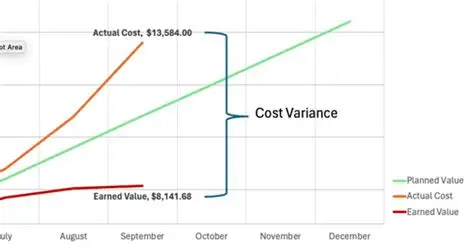 Why cost variance analysis is useless without earned value data. Thu, Oct 15, 4:59 AM
 Why cost variance analysis is useless without earned value data.
Comparing actual site expenditure against planned budget only tells you what you spent, not what you actually accomplished.
Under-spending on paper often hides critical project delays rather than savings.
If a project reports a low spend against the baseline budget, managers might assume costs are under control. In reality, sub-contractors may simply be lagging on physical progress, delaying structural or finishing works.
When those delayed activities catch up, expenditures spike unexpectedly and exceed project limits.
To assess true financial health, always evaluate cost variance alongside Earned Value. Measure physical progress on site against the actual cost of work performed to uncover cost overruns early.
How does your team track budget performance against actual physical progress on site?
#ConstructionManagement #CostControl #ProjectControls #EarnedValueManagement #ConstructionBudget
posted as urn:li:share:7516429893526757377
published 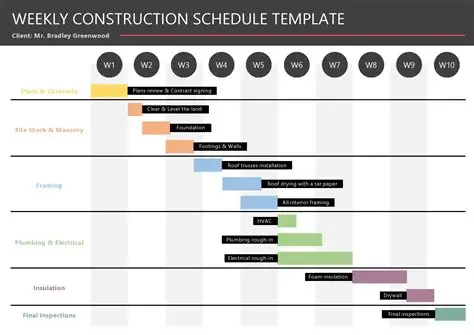 A complete schedule on paper means nothing if site execution fails in the field. Thu, Oct 22, 4:00 AM
 A complete schedule on paper means nothing if site execution fails in the field.
Many construction projects slip past their deadlines even when the initial planning looks flawless. The root cause is rarely the software or the Gantt chart itself.
The real breakdown happens when site management loses touch with daily baseline realities. Delays usually start small: late material deliveries, uncoordinated labor distribution, or pending approvals from consultants that stall progress. When these daily hurdles go unaddressed, minor friction compounds into major timeline disasters.
Keep your schedule realistic by building buffer time into critical path activities. Bridge the gap between office planning and site execution through daily physical progress tracking rather than relying solely on computer updates.
How do you usually catch schedule slippage before it impacts your project completion date?
#ConstructionManagement #ProjectExecution #SiteManagement #ConstructionScheduling #ProjectDelays #BuildingConstruction
posted as urn:li:share:7518906736318083072